涵涵君的小站
中文
到中国学中文,是很多外国学生来华的第一步。高校语言班通常分长期和短期两类,课程设置、每周课时、费用与签证类型各有不同。
- 长期与短期课程:长期课程一般按一学期或一学年申请,每学期约 18 周,到期可根据自身情况申请延长;短期课程常见为 2 至 4 周,多安排在寒暑假,也有按月或按天开设的进修项目。
- 大学语言班:多数高校的国际教育学院、海外教育学院或人文学院开设汉语进修班,按汉语水平分级教学,常见分为初级、中级、高级多个等级,零基础也可入学;部分院校还设华裔班、高级研修班等特色班。
- 每周课时:长期常规班一般每周约 20 课时,并可选修书法、太极拳、HSK 辅导等课程;短期项目课程更密集,例如有高校短期班每周约 30 学时(含实践活动)。
- 学费区间:各校差异较大。例如有高校长期班学费约 10500 元/学期、21000 元/学年,另收报名费约 450 元、教材费约 300 元;有高校短期项目约 1700 元/10 天、3200 元/月。以上仅为个别院校口径,具体以院校公布为准。
- 签证类型:学制超过 180 日的申请 X1 字签证,不超过 180 日的申请 X2 字签证;X1 字签证持有人入境后 30 日内须办理居留证件,持学习类居留证件者如要勤工助学或校外实习,需经学校同意并办理加注。
- 住宿安排:可申请校内国际学生公寓,也可在校外租房;根据规定,外国人在旅馆以外的其他住所居住或住宿的,应当在入住后 24 小时内向居住地公安机关办理住宿登记。
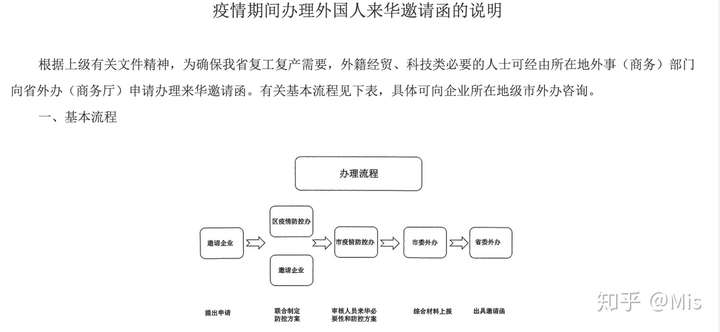
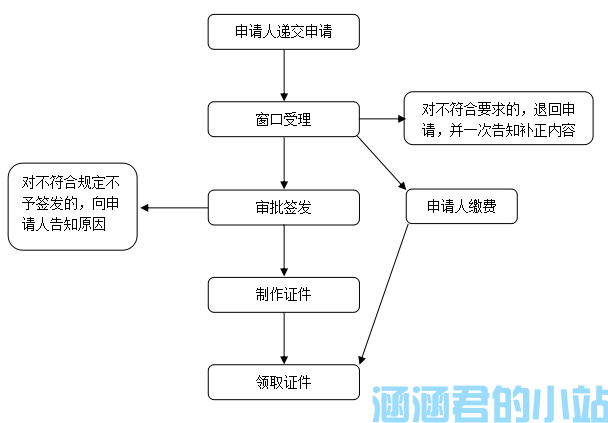
报名流程一般是:向院校提交申请材料 → 学校审核并发放《录取通知书》及《外国留学人员来华签证申请表》(学制超过 180 日的为 JW202 表,少于 180 日的为 DQ 表)→ 持护照、录取通知书等材料到中国驻外使领馆申请 X1 或 X2 字签证 → 按录取通知书要求到校报到注册,完成护照与签证查验、购买保险、缴纳学费、分班测试等手续。
常见材料包括:有效护照(部分院校要求一年以上有效期)、最高学历证书或在学证明、护照照片、体检表(有效期一般为 6 个月)、无犯罪记录证明或承诺书,以及院校要求的申请表。具体要求各校不同,请以院校招生简章为准。
关于保险:根据教育部等部门的规定,高校对国际学生实行全员保险制度,国际学生必须按照国家有关规定和学校要求投保,未按规定购买保险的,学校不予报到注册。建议在确定录取后尽早了解学校指定的保险方案。
以上为一般性说明,具体要求与最新规定以官方发布为准。
English
Chinese Language Courses in China: Types, Duration and Cost
Studying Chinese in China is often the first step for international students. University language programmes usually come in long-term and short-term formats, with different course designs, weekly hours, costs and visa types.
- Long-term and short-term courses: long-term courses are usually applied for by semester or academic year, with each semester lasting about 18 weeks and the option to extend; short-term courses commonly run two to four weeks, often during winter or summer holidays, with some programmes charged by month or by day.
- University language classes: most universities run Chinese language programmes through their international education or overseas education schools, teaching by level. Classes are commonly divided into beginner, intermediate and advanced levels, and absolute beginners can enrol; some institutions also offer special classes such as heritage-Chinese classes and advanced seminars.
- Weekly hours: regular long-term classes are generally around 20 class hours per week, with optional courses such as calligraphy, tai chi and HSK preparation. Short-term programmes are more intensive — one university's short course runs about 30 class hours per week including practical activities.
- Tuition range: costs vary widely between institutions. For example, one university charges about RMB 10,500 per semester and RMB 21,000 per academic year for long-term classes, plus an application fee of about RMB 450 and textbook costs of about RMB 300; another charges about RMB 1,700 per 10 days or RMB 3,200 per month for a short programme. These are individual institutions' figures only — always check with the university concerned.
- Visa type: courses longer than 180 days require an X1 visa, and courses of up to 180 days an X2 visa. X1 holders must apply for a residence permit within 30 days of entry, and students holding a study-type residence permit who wish to take part in work-study or off-campus internships must obtain the school's consent and have an endorsement added.
- Accommodation: you can apply for an on-campus international student dormitory or rent off campus. Under Chinese regulations, foreigners living or staying anywhere other than a hotel must register their accommodation with the local public security authority within 24 hours of moving in.
The usual application process is: submit documents to the institution; the school reviews them and issues an Admission Notice together with the Foreign Student Visa Application Form (the JW202 form for courses over 180 days, or the DQ form for shorter courses); apply for an X1 or X2 visa at a Chinese embassy or consulate with your passport, admission notice and other documents; then register at the school as instructed, completing passport and visa checks, buying insurance, paying tuition and taking the placement test.
Typical documents include a valid passport (some institutions require at least one year's validity), your highest diploma or a certificate of enrolment, passport photos, a medical examination form (generally valid for six months), a criminal record certificate or a commitment undertaking, and the institution's application form. Requirements differ between schools, so follow the admissions brochure.
On insurance: under rules issued by the Ministry of Education and other authorities, universities operate a universal insurance scheme for international students. International students must take out insurance as required by national regulations and their school, and those who fail to do so will not be registered. It is advisable to look into the school's designated insurance scheme as soon as your admission is confirmed.
The above is general guidance only. For specific requirements and the latest rules, please refer to official announcements.
来源参考