涵涵君的小站
中文
申请中国签证时,多类签证需要提交邀请函件,而且由谁出具、必须写哪些内容,官方签证须知都有明确规定。邀请函写得完整,能减少被要求补充材料的情况。
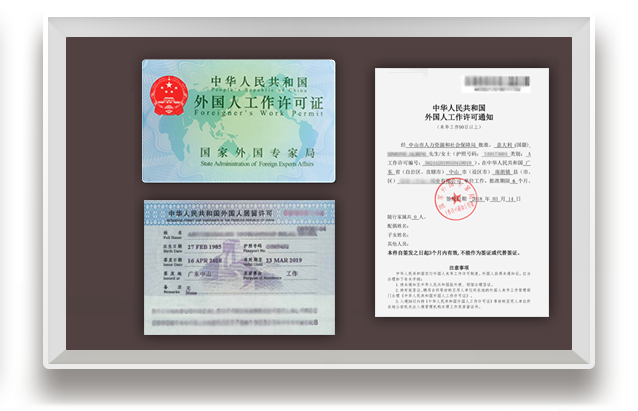
- 哪些签证需要邀请函:按中国领事服务网《申请办理中华人民共和国签证须知》,C、F、L、M、Q1、Q2、S1、S2 字签证都涉及邀请函件。其中 L 字(旅游)也可以用往返机票订单和酒店订单等行程材料替代;X1、X2 字(学习)不需要邀请函,改交录取通知书(X1 另需《外国留学人员来华签证申请表》JW201 或 JW202 表);Z 字(工作)不需要邀请函,改交《外国人工作许可通知》等材料。
- 由个人还是单位出具:F 字由中国境内有关单位或个人出具;L 字由中国境内单位或个人出具;M 字必须由中国境内贸易合作方出具(商务活动文件、经贸交易会请柬等邀请函件);Q1、Q2 字由居住在中国境内的中国公民或具有中国永久居留资格的外国人出具;S1、S2 字由在中国境内居留的外国人(即邀请人)出具;C 字由外国运输公司出具担保函或中国境内有关单位出具邀请函。
- 必须包含的信息:F 字与 M 字的要求一致,包含三部分——(一)被邀请人个人信息:姓名、性别、出生日期等;(二)被邀请人访问信息:来华事由、抵离日期、访问地点、与邀请单位或邀请人关系、费用来源等;(三)邀请单位或邀请人信息:邀请单位名称或邀请人姓名、联系电话、地址、单位印章、法定代表或邀请人签字等。L 字的第二部分为行程安排信息(抵离日期、旅游地点等)。
- 是否需要原件:邀请函可以是传真件、复印件或打印件,但领事官员可以要求申请人提供邀请函原件。因此建议同时准备一份可随时补交的原件。
- 家属类邀请函的写法:Q1、S1 字邀请函的第二部分使用“拟抵达日期、拟居留地点、拟居留期限”,Q2、S2 字使用“抵离日期、访问地点”,对应的是不同的停留时长。除邀请函外,Q1、Q2 字还需提供邀请人的中国身份证复印件,或外国人护照及永久居留证复印件;S1、S2 字需提供邀请人的护照及居留证件复印件,以及申请人与邀请人之间的亲属关系证明。
- 容易出问题的地方:邀请函缺少上述三要素中的任何一项、行程材料与邀请函内容不一致、来华事由与申请的签证类别不匹配,都可能被要求补充材料;必要时,领事官员还可以要求申请人提供其他证明文件或补充材料,或要求申请人接受面谈。
真实性责任:邀请函不是形式文件。《中华人民共和国出境入境管理法》第十九条规定,出具邀请函件的单位或者个人应当对邀请内容的真实性负责;该法第七十四条还规定,违反本法规定为外国人出具邀请函件或者其他申请材料的,处五千元以上一万元以下罚款,有违法所得的,没收违法所得,并责令其承担所邀请外国人的出境费用。
递交提示:邀请函只是支持性材料之一。基本申请材料需按中国驻当地使领馆的要求,在线填写签证申请表并提交护照、照片等,具体要求可查阅中国签证在线办理系统的“签证办理指南”栏目,或拟递交申请的中国驻当地使领馆网站。不同国家和地区的使领馆在受理时间与收费上可能不同。
最终决定权:按官方须知,领事官员根据申请人的具体情况决定是否颁发签证,以及签证的有效期、停留期限和入境次数。因此材料齐全并不等于结果确定,建议预留充足的材料准备与审核时间。
以上为一般性说明,具体要求与最新规定以官方发布为准。
English
China Visa Invitation Letter: Who Issues It and What It Must Contain
Several categories of Chinese visa require an invitation letter, and the official visa instructions set out clearly who must issue it and what it must contain. A complete letter reduces the chance of being asked for supplementary materials.
- Which visas need one: according to the Instructions on Visa Application of the People's Republic of China published by the China Consular Service Network, the C, F, L, M, Q1, Q2, S1 and S2 visas all involve an invitation letter. For the L visa (tourism), itinerary materials such as round-trip flight and hotel bookings may be used instead. The X1 and X2 visas (study) do not require an invitation letter; an admission notice is submitted instead (X1 also requires the JW201 or JW202 Foreign Student Visa Application Form). The Z visa (work) does not require an invitation letter either; a Notification of Foreigner's Work Permit in China and similar documents are submitted instead.
- Who issues it — an individual or an organisation: for the F visa, a relevant entity or individual in China; for the L visa, an entity or individual in China; for the M visa, it must be issued by a trade partner in China (commercial activity documents, invitations to economic and trade fairs, and similar invitation letters); for the Q1 and Q2 visas, a Chinese citizen residing in China or a foreigner with permanent residence status in China; for the S1 and S2 visas, a foreigner residing in China (that is, the inviting person); and for the C visa, a guarantee letter issued by a foreign transport company or an invitation letter issued by a relevant entity in China.
- What it must contain: the requirements for the F and M visas are identical and consist of three parts — (1) personal information of the invited person, such as name, gender and date of birth; (2) information about the visit, such as the reason for coming to China, dates of arrival and departure, place of visit, relationship with the inviting entity or person and the source of funds; (3) information about the inviting entity or person, such as the name of the inviting entity or the name of the inviting person, telephone number, address, official seal of the entity and the signature of the legal representative or the inviting person. For the L visa, the second part covers itinerary information (dates of arrival and departure, tourist destinations and so on).
- Whether the original is required: the invitation may be a fax, a photocopy or a printout, but consular officials may require the applicant to provide the original. It is therefore advisable to keep an original ready to submit on request.
- How to write letters for family visits: for the Q1 and S1 visas, the second part of the invitation uses "intended date of arrival, intended place of residence and intended duration of residence", while for the Q2 and S2 visas it uses "dates of arrival and departure and place of visit", reflecting different permitted lengths of stay. Beyond the invitation letter, the Q1 and Q2 visas also require a copy of the inviting person's Chinese ID card, or the foreigner's passport and permanent residence permit; the S1 and S2 visas require copies of the inviting person's passport and residence permit as well as proof of the family relationship between the applicant and the inviting person.
- Where problems commonly arise: an invitation letter missing any one of the three elements above, itinerary materials that do not match the invitation, or a stated purpose of visit that does not correspond to the visa category applied for may all lead to a request for supplementary materials. Where necessary, consular officials may also request other supporting documents or supplementary materials, or require the applicant to attend an interview.
Responsibility for accuracy: an invitation letter is not a formality. Article 19 of the Exit and Entry Administration Law provides that an entity or individual that issues an invitation letter shall be responsible for the authenticity of its content. Article 74 further provides that anyone who, in violation of the law, issues an invitation letter or other application materials for a foreigner shall be fined not less than RMB 5,000 but not more than RMB 10,000, and any illegal gains shall be confiscated, and the person shall also be ordered to bear the exit expenses of the invited foreigner.
Submission notes: the invitation letter is only one of the supporting materials. Basic application materials must be prepared in line with the requirements of the Chinese embassy or consulate in your locality — completing the visa application form online and submitting your passport, photograph and other items. Specific requirements can be found in the "Visa Application Guide" section of the China Online Visa Application system or on the website of the Chinese embassy or consulate where you intend to apply. Processing hours and fees may differ between embassies and consulates in different countries and regions.
Who makes the final decision: under the official instructions, consular officials decide whether to issue a visa and determine its validity, duration of stay and number of entries according to the applicant's specific circumstances. Complete materials therefore do not guarantee a particular outcome, and it is advisable to allow sufficient time for preparing materials and for processing.
The above is general guidance only. For specific requirements and the latest rules, please refer to official announcements.