涵涵君的小站
中文
中国口岸签证,常被叫作「落地签」,是在口岸现场申请签证的一种途径,而不是一个单独的签证种类。持普通护照、有紧急来华需要而来不及在驻外使领馆办妥签证的外国人,可以向口岸签证机关申请办理,获批后从申请签证的口岸入境。
- 适用情形:持普通护照的外国人因商贸合作、访问交流、投资创业、探望亲属及处理私人事务等急需来华事由,或者因奔丧、探望危重病人等人道原因,来不及在驻外使领馆办妥签证的,可以申办口岸签证。法律依据是《中华人民共和国出境入境管理法》第二十条。
- 哪些口岸可以办:截至目前,中国在国际航线较多、外籍人员入境量较大的口岸均已开展口岸签证业务,覆盖全国73个城市的99个对外开放口岸。具体可办理的口岸和口岸签证机关联系方式,可在国家移民管理局官网查询。
- 申请方式:可以由本人或邀请单位提前向口岸签证机关提出申请,也可以在抵达口岸后现场提出申请。建议提前向拟入境地口岸签证机关预申报,经初步审核同意后再抵达口岸办理,以免因具有法定不予签发签证或不准入境情形而无法获批。外国旅游团申办口岸签证的,应由负责组织接待的境内旅行社提前向口岸签证机关申请。
- 所需材料:应当提交有效护照或者其他国际旅行证件,以及证明紧急来华事由的相关材料。例如入境从事紧急商务活动的,需提交邀请单位出具的说明商务目的、紧急情形、主要行程安排的邀请函件及紧急情形相关证明材料。按签证种类细分,申请C字签证需提交运输公司或主管部门出具的邀请函件;申请M字签证需提交被授权单位或者已向口岸签证机关备案的邀请单位出具的邀请函件;申请团体L字签证,旅游团人数应为二人及以上,需提交旅行社出具的邀请函件、人员名单以及旅行接待计划。
- 照片要求:需提交符合国家移民管理局《出入境证件相片照相指引》标准的照片,一般为近期正面免冠彩色照片,背景颜色均匀,五官清晰不被遮挡。具体尺寸与格式以该照相指引为准。
- 费用:口岸签证收费执行国家规定的签证收费标准。据公安机关公开的口岸签证签发指南,非对等国家一次签证为160元/人,对等国家按照对等国家收费标准收费,具体金额以口岸签证机关公布为准。
- 停留期与入境口岸限制:口岸签证机关对个人签发一次入境、有效期不超过5天、停留期限不超过30天的相应种类签证;对外国旅游团签发一次入境、有效期不超过15天、停留期限不超过30天的团体旅游签证。持口岸签证的外国人,个人应当从签发机关所在的口岸入境,旅游团可以从所有对外开放口岸入境;特殊情况下需在限定停留区域停留、从限定口岸出境。
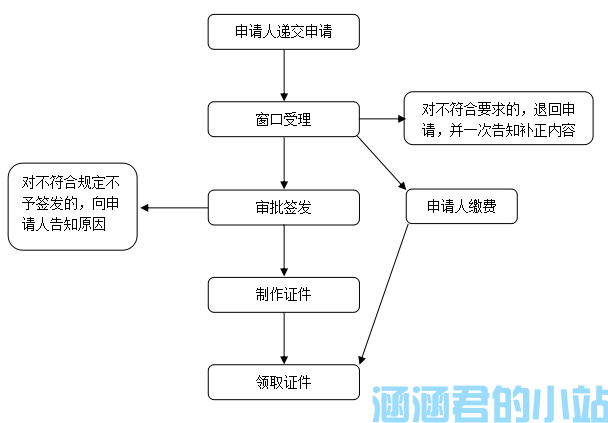
- 可能被拒的情形:《出境入境管理法》第二十一条规定,被处驱逐出境或者被决定遣送出境未满不准入境规定年限的、患有严重精神障碍或传染性肺结核病等疾病的、可能危害中国国家安全和利益或破坏社会公共秩序的、在申请签证过程中弄虚作假或者不能保障在中国境内期间所需费用的、不能提交签证机关要求提交的相关材料的,以及签证机关认为不宜签发签证的其他情形,不予签发签证。口岸签证机关自受理之日起1个工作日内办结。
口岸签证与过境免签、区域性入境免签是不同安排:前者是在口岸现场申请签证的途径,后者属于免办签证的情形,适用条件和允许停留的范围都不一样。出行前建议按自己的行程,分别核对是否符合条件。
以上为要点整理,具体以官方发布为准。
以上为一般性说明,具体要求与最新规定以官方发布为准。
English
China Port Visa: Who Can Apply and What Documents Are Needed
A China port visa, often described as a visa on arrival, is a way of applying for a visa at a port of entry rather than a separate visa category. Foreign nationals holding ordinary passports who have an urgent need to enter China but cannot obtain a visa at a Chinese embassy or consulate in time may apply to a port visa authority, and once approved enter China through the port where the application was made.
- When it applies: foreign nationals holding ordinary passports who urgently need to enter China for business cooperation, visits and exchanges, investment and entrepreneurship, visiting relatives or handling private affairs, or for humanitarian reasons such as attending a funeral or visiting a critically ill patient, and who cannot obtain a visa at a Chinese embassy or consulate in time, may apply for a port visa. The legal basis is Article 20 of the Exit and Entry Administration Law of the People's Republic of China.
- Which ports can issue them: port visa services are now available at ports with relatively heavy international flight traffic and high volumes of foreign arrivals, covering 99 open ports in 73 cities nationwide. Details of the ports and contact information for port visa authorities can be found on the official website of the National Immigration Administration.
- How to apply: you may apply in advance to the port visa authority yourself or through an inviting party, or apply on site after arriving at the port. It is advisable to pre-declare your application to the port visa authority at your intended place of entry, obtain preliminary approval, and then go to the port to complete the formalities, so that you are not refused because of legal grounds for refusing a visa or for refusing entry. Foreign tourist groups should have the Chinese travel agency handling them apply in advance.
- Documents required: a valid passport or other international travel document, plus supporting documents evidencing the urgent reason for entry. For urgent business activities, for example, the inviting party's invitation letter must state the business purpose, the urgency and the main itinerary, together with proof of the urgency. By visa category: a C visa requires an invitation letter from a transport company or competent authority; an M visa requires an invitation letter from an authorised unit or a unit registered with the port visa authority; a group L visa requires a tourist group of at least two people and an invitation letter, a list of group members and a reception plan from a travel agency.
- Photo requirements: submit a photograph meeting the standards in the National Immigration Administration's Guidelines for Photographs for Exit and Entry Documents, normally a recent, bareheaded colour photo with a plain, evenly lit background and unobstructed facial features. The exact size and format follow those guidelines.
- Cost: port visas are charged according to the national visa fee standards. According to the publicly released port visa guide of a public security organ, a single-entry visa for non-reciprocal countries is 160 yuan per person, while reciprocal countries are charged at their reciprocal rates. The exact amount is subject to what the port visa authority publishes.
- Stay period and port restrictions: for individuals, port visa authorities issue a single-entry visa valid for no more than five days with a stay of no more than 30 days; for foreign tourist groups, they issue a single-entry group tourist visa valid for no more than 15 days with a stay of no more than 30 days. Individuals holding a port visa must enter through the port where it was issued, while tourist groups may enter through any open port. In special cases, holders must stay within a designated area and exit through a designated port.
- Grounds for refusal: under Article 21 of the Exit and Entry Administration Law, no visa is issued to foreigners who have been deported or ordered to be repatriated and are still within the period during which entry is prohibited; who suffer from severe mental disorders, infectious pulmonary tuberculosis or other infectious diseases that may seriously harm public health; who may endanger China's national security and interests or disrupt public order; who resort to fraud in the application or cannot guarantee the funds needed during their stay; who fail to submit the required documents; or in other circumstances in which the visa authority considers it inappropriate to issue a visa. A port visa authority completes processing within one working day of acceptance.
A port visa is different from visa-free transit and regional visa-free entry: the first is a way of applying for a visa at a port of entry, while the others are situations in which no visa is required at all. The eligibility conditions and permitted areas of stay are not the same. Before travelling, check each arrangement against your own itinerary.
The above is a summary. Specific arrangements are subject to official announcements.
The above is general guidance only. For specific requirements and the latest rules, please refer to official announcements.