涵涵君的小站
中文
外国留学生在中国能否打工,取决于工作地点和是否取得许可:校内勤工助学按学校规定进行,校外勤工助学或实习则必须经学校同意并向公安机关出入境管理机构申请在居留许可上加注。本文按“是什么—怎么办—要什么材料—常见问题”说明法律依据、办理流程与违规后果。
- 法律依据(一):《中华人民共和国出境入境管理法》第四十一条规定,外国人在中国境内工作,应当按照规定取得工作许可和工作类居留证件;任何单位和个人不得聘用未取得工作许可和工作类居留证件的外国人。
- 法律依据(二):同法第四十二条规定,国务院教育主管部门会同国务院有关部门建立外国留学生勤工助学管理制度,对外国留学生勤工助学的岗位范围和时限作出规定。也就是说,留学生在规定的岗位范围和时限内参加勤工助学是法律允许的,具体岗位与时限以教育主管部门和就读学校的规定为准。
- 法律依据(三):同法第四十三条规定,外国留学生违反勤工助学管理规定、超出规定的岗位范围或者时限在中国境内工作的,属于非法就业。
- 校内勤工助学:在校内按照学校安排参加勤工助学,属于上述制度覆盖的范围。具体可参加的岗位、每周或每月可工作的时限、报酬标准,由学校依据勤工助学管理制度执行,建议直接向就读学校的国际学生办公室或学生工作部门确认。
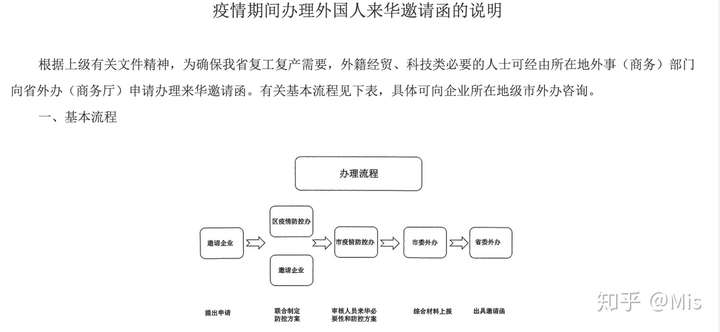
- 校外勤工助学与实习许可:持学习类居留证件的外国人,需要在校外勤工助学或者实习的,应当经所在学校同意,并向公安机关出入境管理机构申请在居留证件上加注勤工助学或者实习信息,注明勤工助学或实习的地点和期限。
- 未加注不得校外工作:按照公安机关出入境管理机构公布的服务指南,持学习类居留证件但没有办理所需加注的外国人,不得在校外工作或者实习。这是留学生最容易忽略的一点——拿到学校同意不等于手续办完,还必须在居留许可上完成加注。
- 办理流程(校外勤工助学/实习):第一步,向就读学校提出申请并取得学校同意(通常为学校出具的同意函件);第二步,准备实习或兼职单位的相关材料;第三步,本人向拟居留地公安机关出入境管理机构提交申请,办理居留证件加注;第四步,领取已注明工作地点和期限的居留证件。居留证件的签发、延期、换发、补发按国家移民管理局公布的服务指南办理。
- 违规后果(罚款与拘留):外国人非法就业的,处5000元以上2万元以下罚款;情节严重的,处5日以上15日以下拘留,并处5000元以上2万元以下罚款。介绍外国人非法就业的,对个人处每非法介绍一人5000元、总额不超过5万元的罚款;对单位处每非法介绍一人5000元、总额不超过10万元的罚款。非法聘用外国人的,处每非法聘用一人1万元、总额不超过10万元的罚款。
- 违规后果(遣送出境与限期出境):外国人有非法就业情形的,可以遣送出境;被遣送出境的人员,自被遣送出境之日起1至5年内不准入境。外国人从事与停留居留事由不相符的活动,可以处限期出境;情节严重的,公安部可以处驱逐出境,被驱逐出境的外国人自被驱逐出境之日起10年内不准入境。
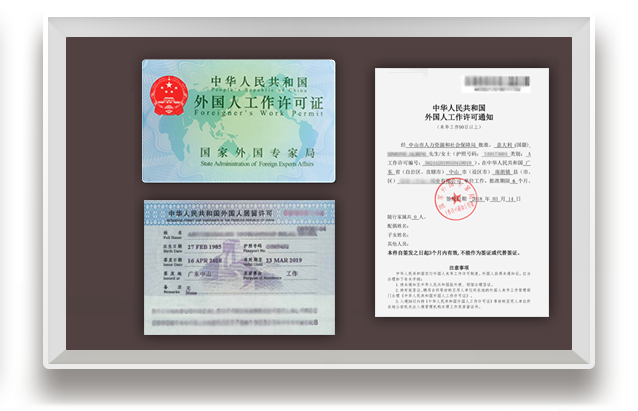
- 毕业后留华工作:毕业后如果想留在中国工作,同样适用第四十一条——须由用人单位按规定办理外国人来华工作许可,并由本人取得工作类居留证件。工作类居留证件有效期最短90日、最长5年;其中外国高层次人才、急需紧缺专门人才和投资者可以签发有效期不超过5年的居留证件,在信誉良好的备案单位工作的人员不超过2年,其他人员不超过1年。
- 毕业后工作的申请条件:外国人来华工作许可的学历、工作经历、年龄、无犯罪记录等具体条件,由人力资源社会保障、外国专家等主管部门规定,用人单位是申请主体。建议在毕业前与拟录用单位确认是否具备办理工作许可的资质与条件,不要以旅游、探亲等其他签证种类从事工作。
把这几条规则串起来看,留学生在中国工作的合法路径其实只有两种:一是在校内按学校规定参加勤工助学;二是经学校同意并在居留许可上完成加注后,在校外从事符合规定的勤工助学或实习。除此之外的带薪工作,都需要工作许可和工作类居留证件,而这两项通常由用人单位办理,学生本人无法自行取得。
实际操作中,最容易出问题的是“先干起来、手续后补”。居留许可加注需要提前申请并留出办理时间,而非法就业一旦被认定,不仅本人面临罚款、拘留甚至遣送出境和限制入境的后果,实习单位或用人单位同样面临罚款。建议在开始任何校外工作之前,先向学校国际学生办公室和当地公安机关出入境管理机构确认所需手续。
以上为一般性说明,具体要求与最新规定以官方发布为准。
English
International Students Working in China: Rules, Permits and Penalties
Whether an international student may work in China depends on where the work takes place and whether permission has been obtained. Part-time work on campus follows the school's rules, while part-time work or an internship off campus requires the school's consent and an endorsement on the residence permit applied for at the exit-entry administration. This guide covers the legal basis, the procedure and the penalties.
- Legal basis (1): Article 41 of the Exit and Entry Administration Law of the People's Republic of China provides that foreigners working in China must obtain a work permit and a work-type residence document as required, and that no entity or individual may employ a foreigner who has not obtained them.
- Legal basis (2): Article 42 of the same law provides that the education authority of the State Council, together with other relevant State Council departments, establishes the system for managing part-time work by international students and sets out the permitted positions and time limits. In other words, part-time work within the permitted positions and time limits is lawful; the exact scope is set by the education authorities and by your school.
- Legal basis (3): Article 43 of the same law provides that an international student who breaches the part-time work rules and works beyond the permitted positions or time limits is engaged in illegal employment.
- Part-time work on campus: Working on campus under arrangements made by your school falls within the system described above. The positions available, the weekly or monthly hours you may work and the pay rates are determined by the school under its part-time work rules; confirm them directly with your school's international student office or student affairs office.
- Permission for off-campus work and internships: A foreign national holding a student-type residence permit who needs to work part-time or take an internship off campus must obtain the school's consent and apply to the exit-entry administration of the public security authority for an endorsement on the residence permit stating the place and duration of the part-time work or internship.
- No endorsement, no off-campus work: According to the service guide published by the exit-entry administration, foreign nationals holding a student-type residence permit without the required endorsement may not work or take an internship off campus. This is the point students most often overlook — getting the school's consent does not complete the formalities; the endorsement on the residence permit must also be obtained.
- Procedure for off-campus part-time work or an internship: first, apply to your school and obtain its consent, usually a letter of consent; second, prepare the documents relating to the employer or internship host; third, apply in person to the exit-entry administration at your intended place of residence for the residence permit endorsement; fourth, collect the residence permit showing the workplace and duration. The issuance, extension, change and re-issuance of residence permits follow the service guide published by the National Immigration Administration.
- Penalties (fines and detention): A foreigner engaged in illegal employment is fined between CNY 5,000 and CNY 20,000 and, in serious cases, detained for five to fifteen days in addition to a fine of between CNY 5,000 and CNY 20,000. Anyone who introduces a foreigner to illegal employment is fined CNY 5,000 per person introduced, up to CNY 50,000 for an individual and up to CNY 100,000 for an entity. Illegally employing a foreigner draws a fine of CNY 10,000 per person employed, up to CNY 100,000.
- Penalties (deportation and ordered departure): A foreigner engaged in illegal employment may be deported, and a person who has been deported may not enter China for one to five years from the date of deportation. A foreigner who engages in activities inconsistent with the purpose of their stay or residence may be ordered to leave within a set period; in serious cases the Ministry of Public Security may order deportation, and a deported foreigner may not enter China for ten years from the date of deportation.
- Staying to work after graduation: If you want to remain in China to work after graduating, Article 41 applies in the same way — the employer must obtain a foreigner's work permit in China as required, and you must obtain a work-type residence document. Work-type residence documents are valid for a minimum of 90 days and a maximum of five years. Foreign high-level talent, urgently needed specialists and investors may be issued a document valid for up to five years; people working for reputable registered employers, up to two years; others, up to one year.
- Conditions for working after graduation: The specific requirements for a foreigner's work permit in China — qualifications, work experience, age, no criminal record and so on — are set by the competent human resources and social security and foreign experts authorities, and the employer is the applicant. Before graduating, check with your prospective employer whether it is eligible and able to obtain a work permit for you, and never work on a tourist, family visit or other inappropriate visa category.
Taken together, these rules leave international students in China with two lawful routes: part-time work on campus under the school's rules, or off-campus part-time work or an internship that conforms to the rules, once the school has consented and the residence permit has been endorsed. Any paid work outside these routes requires a work permit and a work-type residence document, and those are normally obtained by the employer — a student cannot obtain them personally.
In practice the riskiest approach is to start working first and sort out the paperwork later. A residence permit endorsement must be applied for in advance and takes time to process, and once illegal employment is established, not only does the student face fines, detention, possible deportation and a ban on re-entry, but the internship host or employer faces fines as well. Before starting any off-campus work, confirm the required formalities with your school's international student office and the local exit-entry administration.
The above is general guidance only. For specific requirements and the latest rules, please refer to official announcements.
来源参考