涵涵君的小站
中文
到中国留学,除了学业,日常生活同样需要提前了解:从入境报到、住宿安排,到银行开户、移动支付、交通出行和医疗保险。
- 食堂与饮食:中国高校一般设有学生食堂,价格相对实惠,档口以中餐为主、选择较多;校外餐饮也较丰富,各地口味差异较大,例如川渝偏辣、江浙偏清淡,可按自己习惯选择。
- 交通出行:校园内外可使用地铁、公交、出租车和网约车;城际出行可乘高铁。购票、进站通常需要实名证件,国际学生一般可使用护照办理相关购票与进站手续,具体以承运方规定为准。
- 手机支付与银行卡:可持护照等有效身份证件到银行柜台申请开立银行账户;随后在应用商店下载支付宝或微信客户端,注册登录并绑定银行卡后,即可通过扫码进行移动支付。
- 社团与交友:多数高校设有国际学生组织、语言伙伴项目和各类学生社团,参加活动是结识朋友、练习中文的常见方式,也可通过学校国际学生办公室了解活动信息。
- 气候适应:中国幅员辽阔,南北气候差异大。出发前应了解就读城市的季节与温差并准备相应衣物;北方冬季有集中供暖,南方冬季相对湿冷,体感差异明显。
- 常见不适应:饮食口味、作息与课堂互动方式上的差异较为常见,建议循序渐进地适应,遇到困难可向学校的国际学生办公室或同学寻求帮助。
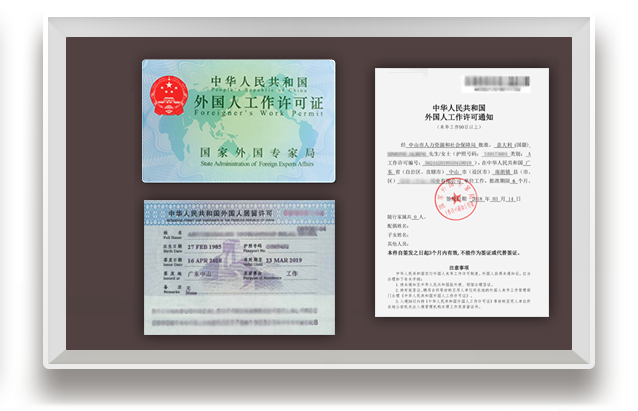
入境后要办的事:新生抵达中国后,应及时前往录取院校完成报到注册。持X1签证入境的国际学生,自入境当日起30日内必须办理居留许可;办理前通常需要完成健康检查并取得合格的《外国人体格检查记录验证证明》。对于在华学习时间超过六个月的国际学生,须在华购买医疗保险,学校通常会提供相关咨询和服务。
住宿安排:国际学生通常住在校内学生公寓,或在校外租房。未在学校规定时间内办理入住的学生,可能需要自行安排住宿,具体情况请联系学校确认。完成注册时,一般需要准备护照和签证原件及复印件、录取通知书、JW201或JW202表、护照尺寸照片以及注册费、学费、医疗保险费、住宿费等报到相关费用。
以上为一般性说明,具体要求与最新规定以官方发布为准。
English
Student Life in China: Food, Transport and Getting Around
Studying in China involves more than coursework. It helps to understand daily life in advance — from arrival and registration to accommodation, bank accounts, mobile payment, transport and health insurance.
- Canteens and food: Chinese universities generally have student canteens where prices are relatively affordable and the counters mainly serve Chinese food with plenty of choice. Off-campus dining is also varied, and tastes differ greatly by region — dishes in Sichuan and Chongqing tend to be spicy, while those in Jiangsu and Zhejiang are lighter.
- Getting around: on and off campus you can use the metro, buses, taxis and ride-hailing apps; for intercity travel, high-speed rail is an option. Tickets and station entry normally require a real-name ID, and international students can generally use their passport to buy tickets and enter stations, subject to the carrier's rules.
- Mobile payment and bank cards: you can apply for a bank account at a bank counter with a valid ID such as your passport. After that, download the Alipay or WeChat app from an app store, register and log in, link your bank card, and then pay by scanning a code.
- Clubs and making friends: most universities have international student organisations, language partner programmes and various student clubs. Joining activities is a common way to meet people and practise Chinese, and the university's international student office can provide information on events.
- Adapting to the climate: China is vast, and the climate differs greatly between north and south. Before departure, learn about the seasons and temperature range of your city and prepare suitable clothing. Northern cities have central heating in winter, while winters in the south feel damp and cold, so the perceived temperature differs noticeably.
- Common challenges: differences in food, daily routines and classroom interaction are common. It is best to adapt gradually, and to seek help from the university's international student office or classmates when difficulties arise.
Things to do after arrival: new students should go to their admitting institution to complete registration promptly after arriving in China. International students entering on an X1 visa must obtain a residence permit within 30 days from the date of entry; before applying, they normally need to complete a health check and obtain a valid Certificate of Verification of Foreigner's Physical Examination Record. International students studying in China for more than six months must purchase medical insurance in China, and universities usually provide related advice and services.
Accommodation: international students usually live in on-campus student apartments or rent off campus. Students who do not check in within the period specified by the university may need to arrange their own accommodation, so they should contact the university to confirm. When completing registration, students generally need their passport and visa originals and copies, the admission notice, the JW201 or JW202 form, passport-sized photographs, and fees for registration, tuition, medical insurance and accommodation.
The above is general guidance only. For specific requirements and the latest rules, please refer to official announcements.
References