涵涵君的小站
中文
中国政府奖学金由中国教育部设立,委托国家留学基金管理委员会负责招生录取和管理,资助本科生、硕士研究生、博士研究生、普通进修生和高级进修生,覆盖学费、住宿费、生活费和综合医疗保险费。申请渠道分国别项目、中国院校自主招生项目、专项奖学金项目和学分生项目四类。本文按「留学中国」网站公布的招生简章,把资助标准、申请条件、流程和材料清单一次讲清。
- 管理与申请渠道:教育部设立,国家留学基金管理委员会负责招生录取和管理。国别项目向所在国有关派遣部门申请;中国院校自主招生项目向承担项目的中国院校申请;专项奖学金项目向有关国际组织或机构申请;学分生项目向中国院校及其国外合作院校申请。
- 资助类别与期限:资助本科生、硕士研究生、博士研究生、普通进修生和高级进修生;资助期限包括中文补习(预科)和专业学习时间,预科一般为一年,专业学习原则上与基本修业年限一致。
- 资助内容:学费、住宿费、生活费和综合医疗保险费;免学费,提供免费宿舍或者发放住宿补贴。
- 生活费与保险标准:本科生2500元人民币/月;硕士研究生和普通进修生3000元/月;博士研究生和高级进修生3500/月;综合医疗保险费800元/人/年,学习期限少于6个月的为400元/人。
- 学历与年龄要求:本科需高中毕业同等学力,年龄一般不超过25周岁;硕士需学士学位或同等学力,一般不超过35周岁;博士需硕士学位或同等学力,一般不超过40周岁;普通进修生一般不超过45周岁,高级进修生一般不超过50周岁。
- 语言要求:以中文为教学语言的硕士、博士,中文水平原则上至少达到HSK四级;普通进修生(汉语言专业除外)和高级进修生至少达到HSK三级;申请攻读学士学位者须参加「来华留学本科入学学业水平测试(CSCA)」;以外文为教学语言的项目,按院校的外语入学要求提供雅思、托福等证明。
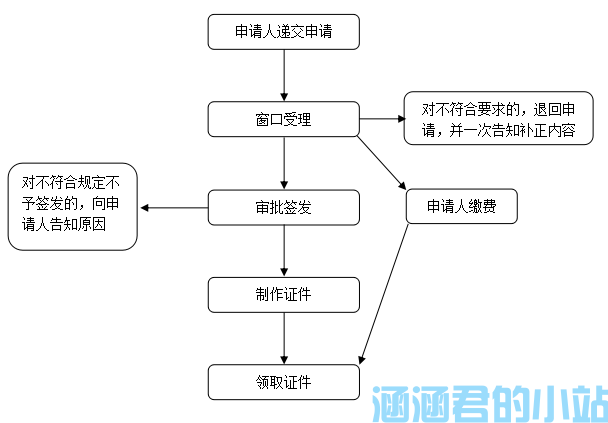
- 申请流程:查阅院校与专业信息、确定项目与院校;联系院校取得录取材料;联系受理机构取得推荐资格;登录「中国政府奖学金来华留学管理信息系统」在线填写申请表并提交材料;受理机构报送推荐名单;国家留学基金委组织资格与学术审核;由受理机构通知录取结果。
- 主要材料:申请表、护照首页、经公证的最高学历证明、学习成绩单、语言能力证明、CSCA成绩单(本科申请)、院校录取材料、来华学习或研究计划、两封推荐信(硕博及高级进修生)、外国人体格检查表(学习超过6个月)、无犯罪记录证明等。
钱够不够用,要分开看。学费免除、住宿由学校提供或者发补贴,生活费按月定额发放,这三项加起来能覆盖基本的学习与住宿开支;吃饭、交通、通讯、教材等日常花销仍需自己承担,不同城市差别很大,一线城市通常需要额外补足。医疗保险费由奖学金覆盖,但保险的报销范围和定点医院要按承保机构的规定执行。
准备材料时最容易出错的三处:一是护照,如果现有护照有效期不足12个月(自预计学习开始日期起算),应当先申领新护照,并用新护照完成申请;二是体检表,学习时间超过6个月须提交《外国人体格检查表》复印件,检查结果有效期为6个月,缺项、无照片或者无医师签章的表格无效;三是无犯罪记录证明,通常应为提交申请之日前6个月以内出具。
时间上,国别项目按惯例每年10月前后启动,各受理机构的截止日期不完全相同,通过院校申请的项目节奏另算;预科加专业的组合要按两段时长规划。申请前建议先确认三件事:目标院校是否承担中国政府奖学金生培养任务、所报专业是否在招生范围、自己所在国对应的受理机构是哪一家。录取结果由奖学金评审程序决定,任何机构都无法承诺录取。
English
Chinese Government Scholarship: Funding, Eligibility and Documents
The Chinese Government Scholarship is established by China's Ministry of Education and administered by the China Scholarship Council. It supports undergraduates, master's and doctoral students, and general and senior visiting scholars, and covers tuition, accommodation, a monthly stipend and comprehensive medical insurance. There are four application routes: the country programme, direct recruitment by Chinese universities, special scholarship programmes, and the credit-student programme. Drawing on the official prospectus published on the Study in China website, this article sets out the funding levels, eligibility, process and document checklist.
- Administration and routes: established by the Ministry of Education and administered by the China Scholarship Council. Country programmes are applied for through the designated sending authority in your own country; university recruitment programmes through the Chinese university running the programme; special programmes through the relevant international organisation or agency; and credit-student programmes through the Chinese university and its overseas partner.
- Categories and duration: undergraduates, master's students, doctoral students, general visiting scholars and senior visiting scholars. Funding covers Chinese-language preparation (a preparatory year, generally one year) plus the degree programme, which in principle matches the normal length of study.
- What is covered: tuition, accommodation, a monthly stipend and comprehensive medical insurance. Tuition is waived, and either a free dormitory place or a housing allowance is provided.
- Stipend and insurance rates: RMB 2,500 per month for undergraduates; RMB 3,000 for master's students and general visiting scholars; RMB 3,500 for doctoral students and senior visiting scholars. Comprehensive medical insurance is RMB 800 per person per year, or RMB 400 for programmes shorter than six months.
- Academic and age requirements: a high-school leaving qualification for bachelor's programmes, generally aged 25 or under; a bachelor's degree or equivalent for master's, generally 35 or under; a master's degree or equivalent for doctoral study, generally 40 or under; general visiting scholars generally 45 or under and senior visiting scholars generally 50 or under.
- Language requirements: for master's and doctoral programmes taught in Chinese, Chinese proficiency at HSK Level 4 or above in principle; for general visiting scholars (other than Chinese language majors) and senior visiting scholars, HSK Level 3 or above. Bachelor's applicants must sit the China Scholarly Assessment (CSCA). For programmes taught in a foreign language, provide IELTS, TOEFL or other proof as the university requires.
- Application process: research universities and programmes and choose your target; contact the university for admission documents; contact the receiving authority to obtain a recommendation; complete the application form online in the Chinese Government Scholarship Information System and upload documents; the receiving authority forwards nominations; the China Scholarship Council reviews eligibility and academic merit; the receiving authority notifies you of the result.
- Main documents: application form, passport bio page, notarised highest diploma, academic transcripts, language proficiency proof, CSCA results (bachelor's applicants), admission documents, study or research plan, two recommendation letters (master's, doctoral and senior visiting scholars), Foreigner Physical Examination Form (programmes over six months) and a certificate of no criminal record.
Whether the money is enough depends on what you count. Tuition is waived, accommodation is provided or subsidised, and the stipend is paid monthly at a fixed rate — together these cover basic study and housing costs. Food, transport, phone bills and books remain your own expense, and costs vary widely between cities; in first-tier cities you will usually need to top up. Medical insurance is included, but what it reimburses and which hospitals you may use follow the insurer's rules.
Three things most often go wrong in the paperwork. First, the passport: if your current passport is valid for less than 12 months from the expected start of study, obtain a new one and apply with the new passport. Second, the medical form: for programmes longer than six months you must submit a copy of the Foreigner Physical Examination Form, results are valid for six months, and forms with missing items, no photograph or no doctor's stamp are invalid. Third, the certificate of no criminal record, which should normally be issued within six months before you submit.
On timing, country programmes conventionally open around October each year, though deadlines differ between receiving authorities, and university-run programmes follow their own calendars; a preparatory year plus a degree should be planned as two separate periods. Before applying, confirm three things: whether your target university recruits Chinese Government Scholarship students, whether your chosen programme is within the recruitment scope, and which authority handles applicants from your country. Admission is decided through the scholarship review process, and no agency can promise an offer.
来源:原文链接