涵涵君的小站
中文
来华探亲的签证分 Q1 和 Q2 两类,很多人拿到邀请函却不确定该选哪一类。两者的分界线是拟停留时间是否超过 180 日;选错类别,入境后办不了居留证件,或者白白多跑一趟签证中心。
- 两类签证的分界:Q1 字签证发给因家庭团聚申请入境居留(停留超过 180 日)的中国公民家庭成员和具有中国永久居留资格的外国人的家庭成员,以及因寄养等原因申请入境居留的人员;Q2 字签证发给入境短期探亲(不超过 180 日)的上述人员的亲属。
- 家庭成员的范围:配偶、父母、子女、子女的配偶、兄弟姐妹、祖父母、外祖父母、孙子女、外孙子女以及配偶的父母。超出这一范围的亲属关系,通常不属于 Q1、Q2 的适用对象。
- 共同基础材料:有效期 6 个月以上且有空白签证页的护照原件及资料页复印件;在线填写并打印的签证申请表与确认页,须本人签字;近期正面、彩色、浅色背景、免冠护照照片,粘贴在申请表上。
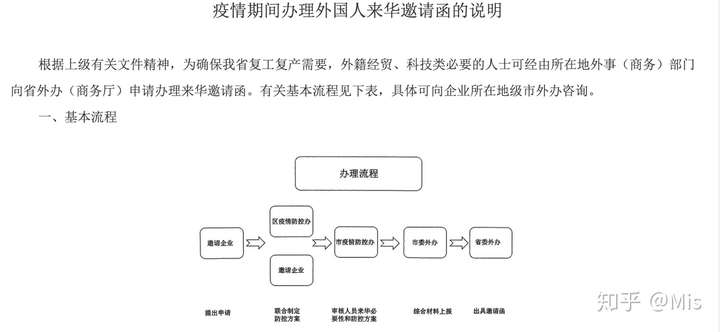
- 邀请函必须写清的内容:被邀请人姓名、性别、出生日期、国籍、护照号码;来华事由、拟抵离日期、拟居留地点与期限、与邀请人关系、费用来源;邀请人姓名、联系电话、地址与本人签字。
- 邀请人身份证明:邀请人为中国内地居民的,提交居民身份证或户口簿复印件;邀请人为具有中国永久居留资格的外国人的,提交其护照及外国人永久居留证复印件。
- Q1 需附亲属关系证明:结婚证、出生证、公安派出所出具的亲属关系证明或亲属关系公证书等,原件和复印件;Q2 的邀请函中写明亲属关系即可。
- Q1 入境后 30 日内办居留证件:持 Q1 字签证入境中国后,须在 30 日内向拟居留地县级以上地方人民政府公安机关出入境管理机构申请办理居留证件。
怎么选:先看计划停留多久、目的是什么。探望父母、配偶并在华长期同住,或涉及寄养子女,停留超过 180 日,走 Q1;只是短期探望几个月,走 Q2。选 Q2 入境后不能直接凭签证长期居留,需按停留期限离境;选 Q1 则入境后必须办居留证件,这一步不能省。
邀请函不必公证,传真件、复印件、打印件通常都可以,但内容必须完整、必须有邀请人签字。因个案不同,领事官员可以要求提供邀请函原件,所以最好让邀请人保留一份签字原件备用。
材料容易被打回的几个点:邀请函只写「邀请某某来玩」,缺亲属关系、缺抵离日期、缺费用来源;邀请人只给了身份证号没给证件复印件;Q1 只交了亲属关系公证书的复印件、没有原件;护照剩余有效期不足 6 个月;申请表没有本人签字,或签字与护照签名不一致。
需要提醒的是,签证类别与停留期限最终由签证机关根据申请事由和材料确定。本文只说明公开的材料要求与办理路径,不对审批结果作任何承诺。
以上为要点摘录,具体以官方发布为准。
English
China Q1 and Q2 Family Visit Visas: Who Qualifies and What to Prepare
China issues two family visit visas, Q1 and Q2, and applicants holding an invitation letter often are not sure which one to choose. The dividing line is whether the intended stay exceeds 180 days. Choosing the wrong category can mean being unable to obtain a residence permit after arrival, or an unnecessary extra trip to the visa centre.
- Where the two visas divide: the Q1 visa is issued to family members of Chinese citizens, and family members of foreigners with Chinese permanent residence status, who are applying to enter China for family reunion and residence (a stay of more than 180 days), as well as to persons applying to enter and reside in China for fostering and similar reasons. The Q2 visa is issued to relatives of the same groups who are visiting for a short period of no more than 180 days.
- Who counts as a family member: spouse, parents, children, children's spouses, siblings, grandparents, maternal grandparents, grandchildren, maternal grandchildren, and parents-in-law. Relatives outside this scope are generally not covered by Q1 or Q2.
- Common core documents: an original passport valid for at least six months with blank visa pages, plus a copy of the data page; an online visa application form and confirmation page, printed and signed by the applicant; and a recent full-face colour passport photo with a light background, affixed to the form.
- What the invitation letter must state: the invitee's name, sex, date of birth, nationality and passport number; the purpose of the visit, intended arrival and departure dates, intended place and duration of residence, relationship with the inviter, and source of funds; and the inviter's name, phone number, address and signature.
- Proof of the inviter's status: where the inviter is a mainland Chinese resident, a copy of the resident identity card or household register; where the inviter is a foreigner with Chinese permanent residence status, a copy of that person's passport and foreigner permanent residence permit.
- Q1 requires proof of kinship: a marriage certificate, birth certificate, kinship certificate issued by a police station, or a notarised kinship certificate, in original and copy. For Q2, stating the relationship in the invitation letter is sufficient.
- Apply for a residence permit within 30 days of arrival on a Q1: holders must apply to the exit-entry administration of the public security authority at or above the county level in the intended place of residence within 30 days of entry.
How to choose: start with how long you plan to stay and why. If you are visiting a parent or spouse and will live together in China for more than 180 days, or the case involves fostering a child, apply for Q1. If you are making a short visit of a few months, apply for Q2. A Q2 entry does not allow long-term residence on the strength of the visa alone, and you must leave by the end of the permitted stay; a Q1 entry obliges you to obtain a residence permit, and that step cannot be skipped.
The invitation letter does not need to be notarised, and a faxed, copied or printed version is usually accepted, but the content must be complete and the letter must carry the inviter's signature. Depending on the individual case, a consular officer may ask for the original, so the inviter should keep a signed original on hand.
The points that most often send applications back: an invitation letter that merely says "please come and visit" without the relationship, arrival and departure dates, or source of funds; an inviter who supplies only an ID number rather than a copy of the document; a Q1 application with only a copy of the kinship certificate and no original; a passport with less than six months of remaining validity; and a form that is unsigned, or signed differently from the passport.
One reminder: the visa category and the permitted stay are ultimately decided by the visa authority on the basis of the stated purpose and the documents submitted. This article explains the published document requirements and the application route only, and makes no commitment about the outcome.
The above is a summary of key points only. Please refer to the official announcement for the authoritative version.
来源:原文链接