涵涵君的小站
中文
来华外国人要不要买医疗保险,取决于你来做什么、待多久:短期旅游通常没有统一的强制要求,来华留学属于强制投保,工作则要通过用人单位参加社会保险。下面按三种情形分开说清,并给出商业保险与就医报销的实用提示。
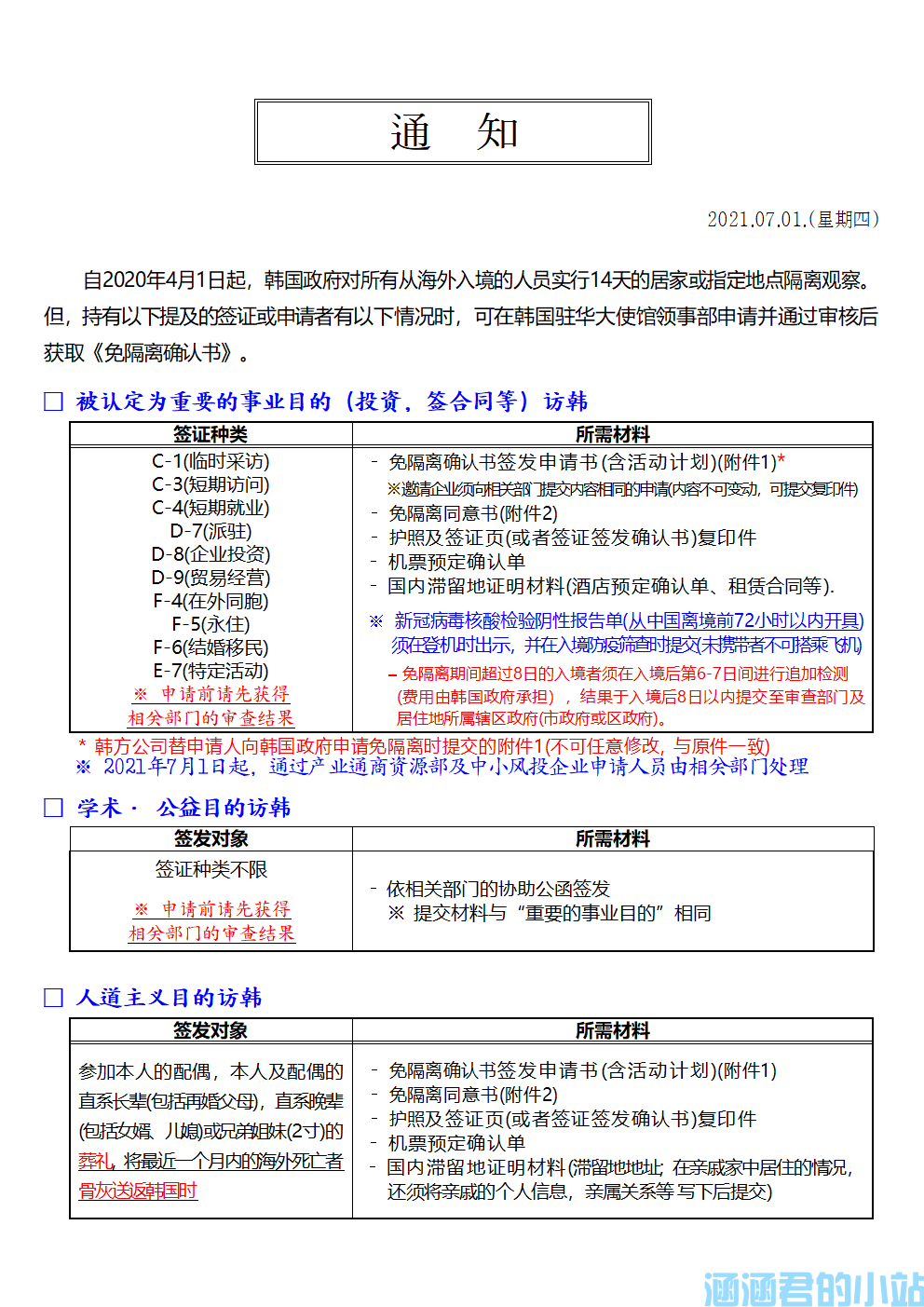
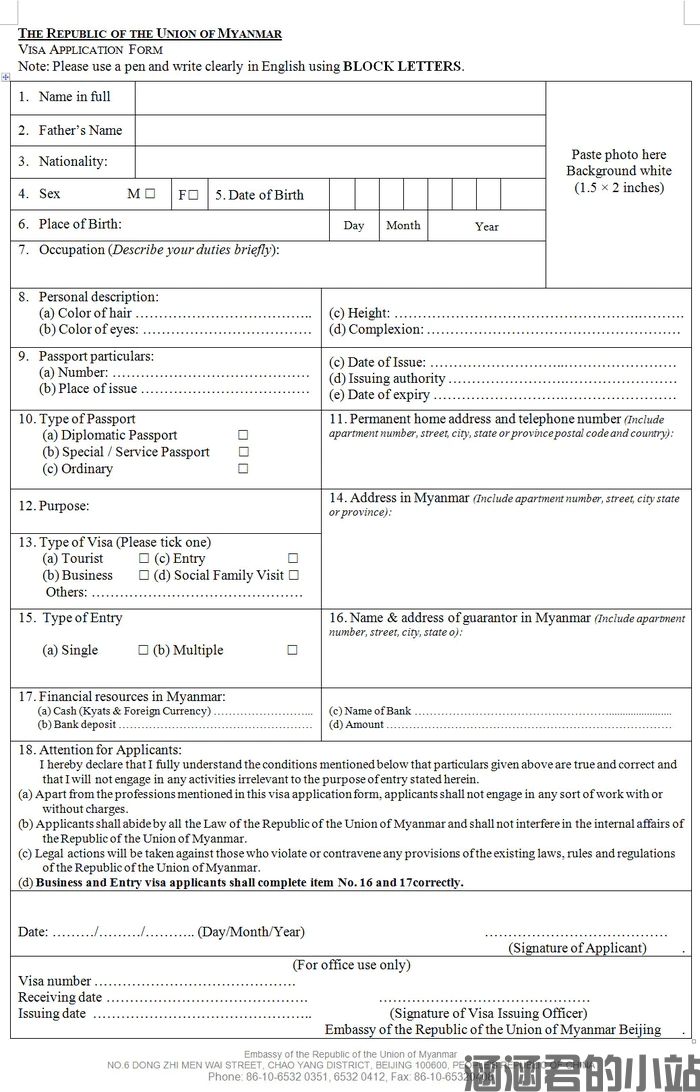
- 签证申请是否要求:申请中国签证时,签证机关按签证类别要求提交相应材料,医疗保险通常不是所有签证类别的统一必备项;但个别类别、个别受理机关或特殊情形可能要求提供,务必以中国驻当地使领馆或签证申请服务中心公布的清单为准。
- 留学生强制保险:教育部、外交部、公安部《学校招收和培养国际学生管理办法》(第 42 号令)第四十条规定,学校实行国际学生全员保险制度,国际学生必须按照国家有关规定和学校要求投保;未按规定购买保险的,限期投保,逾期不投保的不予录取,已经在校学习的应予退学或不予注册。按教育部国际合作与交流司有关暂行规定,在中国大陆学习时间超过 6 个月的国际学生,须购买团体综合保险。
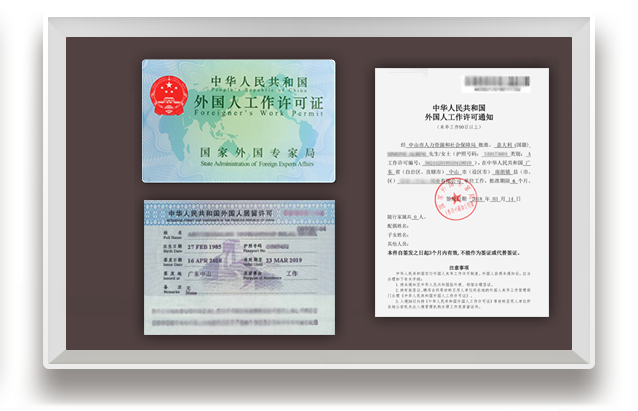
- 工作签证要求:以工作事由在华居留,需先取得工作许可,再申请 Z 字签证,入境后办理工作类居留证件。依法在中国境内就业的外国人,应当依法参加社会保险,其中包括职工基本医疗保险,由用人单位和本人按规定缴费;具体险种、缴费基数与办理时限按当地社保经办机构规定执行。
- 商业保险怎么选:短期来华可买旅行医疗保险,重点看是否覆盖中国境内门诊与住院、是否支持医院直付、免赔额高低与既往症条款;长期居留可考虑国际医疗保险或本地商业医疗险,注意等待期、续保条件与年龄限制。留学生如果学校统一投保,先确认保单覆盖范围,再决定是否补充。
- 就医与报销流程:大城市的三甲医院多设有国际医疗部或特需门诊,私立诊所与外籍诊所可用英语接诊但费用较高。就诊通常先自付后报销,务必保留发票原件、费用明细、病历与诊断证明;使用直付服务前,先向保险公司确认就诊医院是否在网络内,并按要求取得预授权。
一个容易混淆的地方:签证、居留、社保、商业保险是四套不同的规则,不能互相替代。免签入境或持旅游签证短期停留,一般不涉及社保;持工作类居留证件就业,社保由单位办理;留学生走的是学校的全员保险制度。弄清楚自己落在哪一套规则里,比盲目买一份保险更有用。
另一个常见误区是把“有保险”当成“什么都能报”。中国的基本医疗保险有药品与诊疗项目目录、有定点医院限制,商业保险则有免赔额、赔付比例和责任免除条款。出发前把急诊、住院、医疗转运这三项的覆盖范围看清楚,比单纯比较保费高低更重要。
需要官方依据的读者,可以直接查阅教育部第 42 号令全文,以及所在地社保经办机构公布的参保办法;各高校国际学生办公室通常也会在录取材料里附上保险要求说明。
以上为要点摘录,具体以官方发布为准。
English
Health Insurance in China for Foreigners: Visa, Study and Work Rules
Whether you need health insurance in China depends on why you are coming and how long you are staying. Short tourist trips usually face no blanket requirement, studying in China means mandatory coverage, and working here means joining the social insurance system through your employer. Here is how each situation works, plus practical notes on commercial policies and on paying for care.
- Visa applications: when you apply for a Chinese visa, the documents required depend on the visa category, and medical insurance is generally not a universal requirement across all categories. Individual categories, individual issuing posts or special circumstances may ask for it, so always follow the checklist published by the Chinese embassy or consulate or the Chinese Visa Application Service Center handling your case.
- Mandatory cover for students: Article 40 of the Measures for the Administration of Schools' Recruitment and Cultivation of International Students (Order No. 42 of the Ministry of Education, Ministry of Foreign Affairs and Ministry of Public Security) establishes a system of insurance for all international students. Students must insure themselves in line with national rules and school requirements; those who fail to do so are given a deadline, and if they still do not comply the school will not admit them, or will withdraw or refuse to register students already enrolled. Under the relevant provisional rules of the Ministry of Education's department of international cooperation and exchanges, international students studying in mainland China for more than six months must hold group comprehensive insurance.
- Work permits and visas: to stay in China for work you first obtain a work permit, then apply for a Z visa, and after entry convert it into a work-type residence permit. Foreigners legally employed in China are required to participate in social insurance, which includes employee basic medical insurance, with contributions shared by the employer and the employee under local rules. The exact schemes, contribution base and processing deadlines are set by the local social insurance agency.
- Choosing commercial cover: for a short stay, travel medical insurance is the usual choice; check whether it covers outpatient and inpatient treatment inside China, whether it offers direct billing at hospitals, how high the deductible is, and how pre-existing conditions are treated. For a long stay, consider international medical insurance or a local commercial plan, and look closely at waiting periods, renewal conditions and age limits. Students covered by a school-wide policy should check what that policy includes before buying a supplement.
- Treatment and reimbursement: major tertiary hospitals in large cities usually run an international medical department or a premium clinic, while private and expat clinics offer English-language service at higher cost. Treatment is normally paid upfront and reimbursed afterwards, so keep original receipts, itemised bills, medical records and diagnostic certificates. Before using direct billing, confirm with the insurer that the hospital is in its network and obtain any pre-authorisation required.
One point that causes confusion: visas, residence, social insurance and commercial insurance are four separate sets of rules, and none of them substitutes for another. Entering visa-free or on a tourist visa for a short stay generally does not involve social insurance; working under a work-type residence permit means your employer handles social insurance; students fall under the school-wide insurance system. Working out which set applies to you is more useful than buying a policy at random.
Another common misconception is treating "insured" as "everything is covered". China's basic medical insurance works from catalogues of covered medicines and treatments and from designated hospitals, while commercial policies carry deductibles, co-insurance percentages and exclusions. Before you travel, read the cover for emergency care, hospitalisation and medical evacuation rather than simply comparing premiums.
Readers who want the official basis can consult the full text of Ministry of Education Order No. 42 and the enrolment rules published by the local social insurance agency. University international student offices usually include an insurance requirement sheet with their admission materials as well.
The above is a summary of key points only. Please refer to the official announcement for the authoritative version.
来源:原文链接